
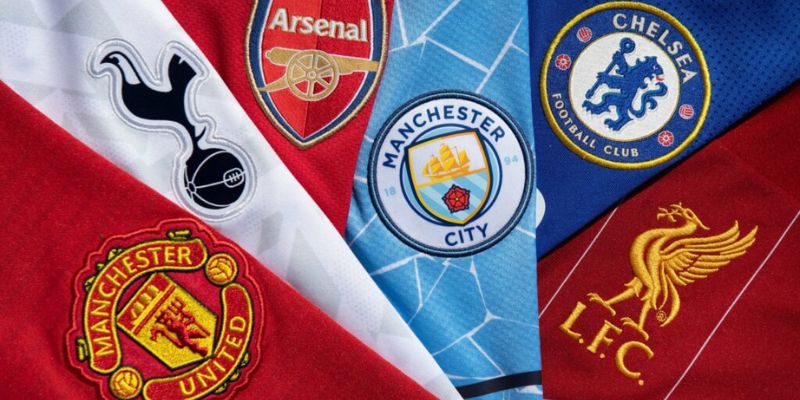
English football clubs stand among the most famous and influential teams in world sport. Known both for their rich histories and passionate fanbases, these clubs have shaped global football culture and competition for over a century.
From legendary institutions that dominated early competitions to modern powerhouses commanding global audiences, English football clubs represent the heart of the game in England. With success in domestic leagues and European competitions, they capture the imagination of fans across continents.
This article explores how English football clubs evolved through history, their structure, legacy, and the reasons for their enduring popularity.
Historical Roots of English Football Clubs

The origins of many English football clubs trace back to the late 19th century, when football transitioned from an amateur pastime to a professional sport. Clubs like Aston Villa, founded in 1874, and Everton, established in 1878, were among the earliest to compete at high levels. These pioneering teams helped develop organized league structures and competitive fixtures that would eventually become the modern football league system.
Over time, rivalries between historic clubs became a defining feature of English football culture. Matches between teams like Arsenal and Tottenham Hotspur, or Manchester United and Liverpool became more than just contests on the pitch — they became events that reflected city pride, history, and regional identity.
As the game evolved, so did the professionalization of English football clubs. Many transitioned from community-based teams to global brands with worldwide fanbases. This shift laid the foundation for the international appeal of English football.
Structure and League Participation
English football clubs compete across multiple levels in the English football league system, culminating in the top tier. While the system allows for promotion and relegation between divisions, the most prominent stage is the top division, where the most supported and well-financed clubs compete.
Within this system, several clubs have maintained long stays at the highest level, contributing to their stature and historical significance. For example, Arsenal and Everton have enjoyed extensive periods in the top flight, reflecting sustained competitiveness over decades.
The ongoing success and visibility of English football clubs in major competitions, along with broadcast deals and commercial growth, make this league system one of the most engaging and dynamic in world football.
Icons and Legends Among English Football Clubs
Arsenal — The Gunners
One of the most successful English football clubs, Arsenal was founded in 1886 and remains a symbol of football ingenuity and flair. Based in North London, Arsenal has won multiple league titles and domestic cups, earning a reputation for stylish play and youth development.
Everton — The Toffees
Everton, based in Liverpool, is among the oldest clubs in English football. Founded in 1878, Everton was a founding member of the Football League and later the Premier League. Its long history and consistent presence in top competitions make Everton a cornerstone institution among English football clubs.
Liverpool — The Reds
Liverpool Football Club stands as one of the most decorated and popular English football clubs. With a rich heritage of domestic and European success, Liverpool has captured numerous league titles and Champions League trophies, becoming a globally recognized brand.
Manchester United — The Red Devils
Manchester United’s history is steeped in success, dramatic comebacks, and global influence. Known for its period of dominance under legendary manager Sir Alex Ferguson, United remains one of the most supported and commercially successful English clubs.
Chelsea and Manchester City — Modern Powerhouses
In recent decades, Chelsea and Manchester City have risen to prominence through investment, strategic management, and star talent. Both clubs have won multiple league titles and achieved success in domestic and European competitions, making them integral parts of the modern era of English football.
Contribution to Domestic and European Competitions
English football clubs at Ssbet77 have traditionally contributed significantly to both domestic and European competitions. Teams from England regularly compete in tournaments like the UEFA Champions League, Europa League, and FA Cup. Clubs such as Liverpool and Manchester United have not only dominated domestically but also achieved success in continental competitions, enhancing the reputation of English football internationally.
The consistent performances of top clubs in international competitions showcase the depth and tactical sophistication of English teams. These achievements have also broadened the global appeal of English football.
Cultures, Rivalries, and Fanbases
One of the defining characteristics of English football clubs at Taya777 is their passionate fan culture. Whether it’s the chants echoing through Anfield, the sea of red at Old Trafford, or the fierce local derbies in London, supporter culture is intense and deeply rooted in community identity.
Rivalries such as Arsenal vs. Tottenham Hotspur and Liverpool vs. Manchester United generate matchday atmospheres that capture global attention. These rivalries bring tradition and narrative to every season, making each fixture more than just a game.
Economic and Global Influence
The commercial power of English football clubs has grown immensely in recent years. In global rankings of football revenue and reach, several English clubs feature prominently due to lucrative sponsorships, merchandise sales, and worldwide fan engagement.
Through international tours, digital content, and strategic partnerships, English clubs have built followings that extend far beyond England, playing a key role in the globalization of football.
Youth Development and Community Impact
Many English football clubs have invested heavily in youth development, building academies that identify and nurture local talent. These programs not only contribute to the clubs’ long-term success but also strengthen community ties, inspiring future generations of players and fans.
Grassroots initiatives and partnerships with schools and local organizations help ensure that football remains accessible and integral to community life throughout the country.
Challenges and Evolution
While success and growth are hallmarks of many English football clubs, they also face challenges such as financial sustainability, competitive balance, and maintaining cultural heritage amid commercialization. Industry observers, including taya777link1.com, note that navigating these pressures requires strategic leadership and adaptability, ensuring clubs remain competitive while preserving their identity.
The Future of English Football Clubs
The next phase for English football clubs lies in continued innovation on and off the pitch. Investments in technology, fan engagement, and global expansion promise to further enhance the role these clubs play in world football.
Emerging talent from academies, evolving tactical approaches, and broader commercial strategies are likely to shape the next decade of English football.
Conclusion
From historic giants to modern challengers, English football clubs represent the heart and soul of football in England. Through rich histories, storied rivalries, global fanbases, and significant achievements, they continue to define the sport’s culture and future direction.
As they evolve and expand their reach, these clubs reaffirm their place among the most influential institutions in world sport.





